
Posteromedial Corner Injuries
Posteromedial corner (PMC) injuries involve damage to a group of structures on the inner back portion of the knee. This area plays a critical role in stabilizing the knee, especially when the joint is subjected to twisting, bending, or rotational forces. The posteromedial corner includes key stabilizers such as the posterior oblique ligament, parts of the joint capsule, and supporting soft tissues that work together to control inward movement and rotation of the knee.
These injuries are less commonly discussed than ligament tears like the ACL, but they are just as important. When the posteromedial corner is injured, the knee can lose stability in subtle but significant ways. This instability can interfere with walking, pivoting, and athletic performance. In many cases, PMC injuries occur alongside other ligament injuries, particularly injuries to the ACL or PCL, making them part of more complex knee damage.
What are the symptoms of posteromedial corner injuries?
Symptoms can vary depending on the severity of the damage and whether other structures in the knee are involved. One of the most common complaints is pain along the inner and back portion of the knee. This pain may worsen with activity, especially movements that involve twisting or turning.
Swelling is often present, particularly in the early stages after the injury. Some individuals notice a feeling of looseness or instability in the knee, especially when walking on uneven surfaces or changing direction. This instability is not always obvious at rest but becomes more noticeable during movement.
Stiffness and limited range of motion may develop as swelling and inflammation increase. Patients may have difficulty fully bending or straightening the knee. In more significant injuries, there may be a sense that the knee is giving way, which can lead to hesitation with normal activities.
Bruising may appear along the inner side of the knee in some cases, particularly when the injury is caused by direct trauma. Tenderness to touch in the posteromedial region is also common and can help localize the injury during examination.
What are the causes of posteromedial corner injuries?
Posteromedial corner injuries are typically caused by forces that push the knee inward while it is slightly bent. This type of stress places strain on the structures that stabilize the inner and back portions of the joint. One of the most common causes is a direct blow to the outside of the knee, which forces the joint inward and stretches or tears the supporting tissues.
Sports-related injuries are a frequent source of PMC damage. Athletes who participate in football, soccer, basketball, and skiing are at higher risk due to the rapid changes in direction and physical contact involved in these activities. A sudden twist or pivot, especially when the foot is planted, can overload the posteromedial structures.
Falls can also lead to these injuries, particularly when the knee is forced into an awkward position. For example, slipping and landing with the knee bent and rotated inward can create enough force to damage the posteromedial corner.
In many cases, PMC injuries do not occur in isolation. They are often part of a larger pattern of knee injury that includes damage to major ligaments such as the ACL, PCL, or MCL. When multiple structures are injured, the overall stability of the knee is significantly compromised, and symptoms tend to be more severe.
Repetitive stress may also contribute to gradual weakening of these structures over time. While less common than acute injury, chronic strain from overuse or improper mechanics can make the posteromedial corner more vulnerable to injury during routine activities.
How are posteromedial corner injuries diagnosed?
Diagnosing a posteromedial corner injury requires a detailed evaluation by an experienced orthopedic specialist like Dr. Scott Faucett. These injuries can be difficult to identify because the symptoms may overlap with other knee conditions, and the structures involved are not always easily assessed without specific testing.
The process typically begins with a thorough history. Understanding how the injury occurred provides important clues about which structures may be involved. Patients are often asked about the direction of force, the position of the knee at the time of injury, and the immediate symptoms that followed.
A physical examination is essential. Dr. Faucett will assess swelling, tenderness, and range of motion. Specific stress tests are performed to evaluate the stability of the knee. These tests are designed to reproduce the forces that the posteromedial corner resists, allowing him to identify abnormal movement or laxity.
Because PMC injuries are frequently associated with other ligament damage, the entire knee is carefully examined. Identifying all injured structures is critical to developing an effective treatment plan.
Imaging studies are often used to confirm the diagnosis and assess the extent of the injury. Magnetic resonance imaging (MRI) is particularly useful because it provides detailed images of soft tissues, including ligaments and the joint capsule. MRI can help identify tears, inflammation, and associated injuries that may not be visible on physical examination alone.
X-rays may also be performed to rule out fractures or evaluate the alignment of the knee. While X-rays do not show soft tissue injuries directly, they can provide important information about the overall structure of the joint.
Accurate diagnosis is essential because untreated posteromedial corner injuries can lead to persistent instability and long-term joint problems. When these injuries are missed, patients may continue to experience pain, limited function, and an increased risk of further knee damage.
Understanding the role of the posteromedial corner helps explain why proper evaluation and diagnosis are critical. These structures work quietly in the background to maintain stability, but when they are compromised, the effects on knee function can be significant.
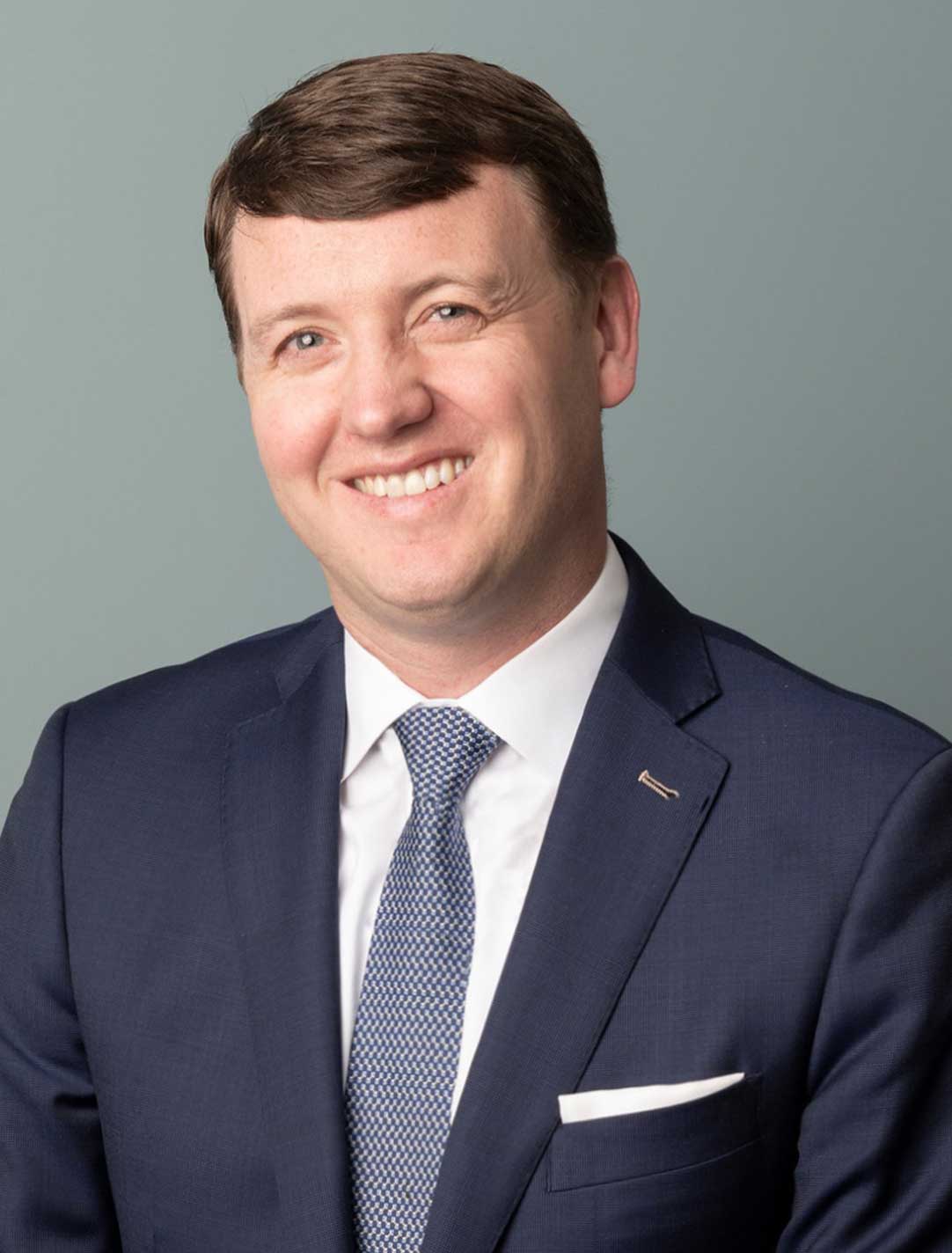
Dr. Scott Faucett is a board-certified and fellowship-trained sports medicine orthopedic surgeon with extensive experience and expertise in treating all injuries and conditions of the hip, knee, and ankle. He offers state-of-the-art treatments and regenerative medicine to help you return to the life you love. Contact him to schedule a consultation at his DC office today.
At a Glance
Dr. Scott Faucett
- Internationally Recognized Orthopedic Surgeon
- Voted Washingtonian Top Doctor
- Ivy League Educated & Fellowship-Trained
- Learn more